
Hey friends! Are you looking for a cozy, nutritious soup that’s low in carbs but packed with flavor? If so, you’re in the right place. Today, I’ll guide you through making a hearty, veggie-packed low carb vegetable soup that’s perfect for lunch, dinner, or meal prepping. Whether you’re on a keto diet, trying to cut back carbs, or just want a comforting bowl of goodness, this recipe will become a regular in your kitchen.
In this comprehensive guide, we’ll cover everything you need—from ingredients to tips and common pitfalls—to make your soup turn out perfect every time.
Why Choose Low Carb Vegetable Soup?
Before diving into the recipe, let’s talk about why low carb soups are such a good idea.
Low Carb diets focus on reducing carbohydrate consumption, which can help with weight loss, blood sugar stabilization, and increased energy levels. Vegetables are the stars here because they offer fiber, vitamins, and minerals with minimal carbs.
Vegetable soups are inherently healthy, customizable, and easy to prepare. They are a great way to consume an abundance of nutrients while keeping the carb count in check.
What Makes a Vegetable Soup “Low Carb”?
When I say “low carb,” I mean the soup contains a minimal amount of digestible carbohydrates per serving—usually less than 10 grams. Key factors include:
- Using low-carb vegetables such as leafy greens, zucchini, cauliflower, broccoli, and peppers.
- Avoiding high-carb vegetables like potatoes, carrots, corn, and peas.
- Limiting or eliminating ingredients like beans, starchy vegetables, or sweeteners that spike carb count.
Below, I’ll list the main ingredients and their carb content for better clarity.
Materials Needed (With Data-Rich Table)
| Ingredient | Quantity | Approximate Carbohydrates (per serving) | Notes |
|---|---|---|---|
| Olive oil | 2 tbsp | 0 g | For sautéing and flavor |
| Onion (yellow) | 1 medium | 4 g | Adds flavor; optional for lower carbs |
| Garlic cloves | 3 cloves | 1 g | Boosts flavor and health benefits |
| Zucchini | 2 medium | 4 g | Low in carbs, great for texture |
| Cauliflower | 1 small head | 5 g | Low-carb rice substitute |
| Broccoli florets | 1 cup | 4 g | Adds fiber and nutrients |
| Spinach or kale | 2 cups | 2 g | Leafy greens low in carbs |
| Celery | 2 stalks | 2 g | Adds crunch and flavor |
| Bell peppers (green or red) | 1 cup sliced | 6 g | Vitamin C booster, adds color |
| Chicken or vegetable broth | 4 cups | 0 g | Use homemade or low-sodium options |
| Lemon juice | 1 tbsp | 0 g | Adds brightness and flavor |
| Fresh herbs (parsley, basil) | To taste | 0 g | For garnish and flavor |
| Salt & pepper | To taste | 0 g | Basic seasoning |
Note: Carbohydrate counts are approximate and per serving. Adjust quantities based on your specific needs.
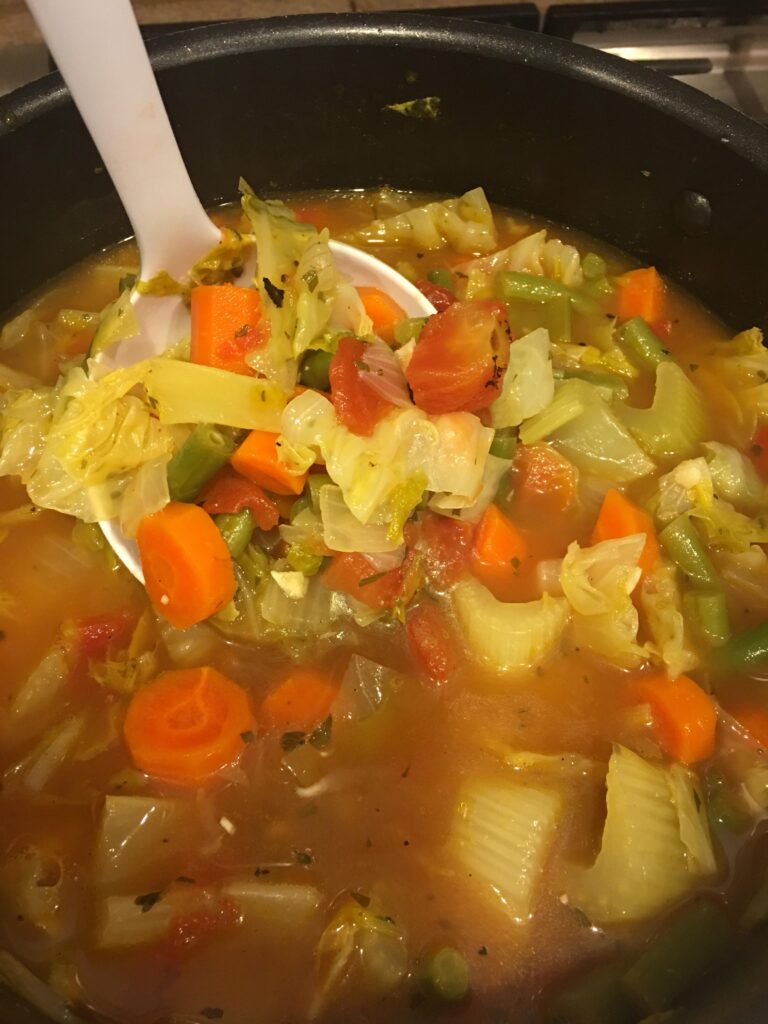
Step-by-Step Guide to Making Delicious Low Carb Vegetable Soup
Step 1: Prepare Your Vegetables
Wash all your vegetables thoroughly. Dice onions and garlic, chop zucchini and cauliflower into bite-sized pieces, shred or chop the greens, and slice your peppers and celery. The uniform size helps the soup cook evenly.
Step 2: Sauté Aromatics
Heat the olive oil in a large pot over medium heat. Add onions and garlic. Sauté for about 3-4 minutes until they turn translucent and fragrant. This step is crucial for building depth in flavor.
Step 3: Add Harder Vegetables
Toss in the cauliflower, broccoli, and celery. Cook for another 5-6 minutes, stirring occasionally. This helps to soften vegetables and releases their flavors.
Step 4: Pour in Broth
Add your chicken or vegetable broth. Bring the mixture to a boil, then reduce heat to a simmer. Cover the pot partially to retain moisture.
Step 5: Cook Until Vegetables are Tender
Let the soup simmer gently for 15-20 minutes until all vegetables are tender but not mushy. You can adjust cooking time depending on your preferred texture.
Step 6: Add Greens and Peppers
Stir in spinach or kale and sliced peppers. Cook for another 3-5 minutes until greens are wilted and peppers are slightly softened.
Step 7: Season and Finish
Add lemon juice, salt, pepper, and fresh herbs to taste. Simmer for an additional 2 minutes to blend flavors.
Step 8: Serve Hot
Ladle into bowls. For an extra flavor boost, sprinkle with additional herbs or a drizzle of olive oil.
Tips for Success
- Use Fresh Vegetables: Fresher vegetables provide better flavor and texture.
- Adjust Seasonings: Don’t shy away from adding herbs, spices, or even a dash of chili if you like some heat.
- Make It Creamy Without Carbs: Blend a portion of the soup for a creamy texture—add some heavy cream or coconut milk if your diet allows.
- Batch Cook: This soup keeps well for several days and freezes beautifully.
- Customize It: Add cooked chicken, shrimp, or tofu for extra protein.
Common Mistakes and How to Avoid Them
- Overcrowding the Pot: Too many ingredients at once can result in uneven cooking. Use two pots if needed.
- Cooking Vegetables Too Long: Overcooking destroys texture and nutrients. Keep an eye on texture—al dente is perfect.
- Ignoring Salt and Seasonings: Under-seasoned soup can taste bland. Taste as you go!
- Using High-Carb Vegetables: Stick to low-carb choices to keep the soup keto-friendly.
- Not Blending or Pureeing (Optional): For a smooth texture, blend part or all of the soup. Just be sure to cool slightly before blending.
Variations You Can Try
- Spicy Keto Vegetable Soup: Add chili flakes or cayenne pepper.
- Creamy Low Carb Soup: Mix in cream cheese or coconut milk after cooking.
- Herb-Infused: Use thyme, rosemary, or dill for extra aroma.
- Cheesy Version: Top with shredded cheese for added richness.
- Meat Addition: Add shredded cooked chicken, ground beef, or turkey for extra protein.
Summary & Final Thoughts
Making a low carb vegetable soup is simple, customizable, and incredibly nutritious. By selecting the right ingredients and following these step-by-step methods, you’ll craft a flavorful bowl that’s perfect for maintaining a low-carb lifestyle while enjoying comfort food. Remember to focus on fresh vegetables, control your seasonings, and don’t forget to experiment with variations to suit your taste.
So next time you’re craving something warm and wholesome that aligns with your health goals, reach for this low carb vegetable soup recipe. It’s a delicious way to nourish your body and satisfy your taste buds—without the carbs that weigh you down.
Happy cooking!